Baking · Old-Fashioned Classics

Old-Fashioned 7UP Pound Cake
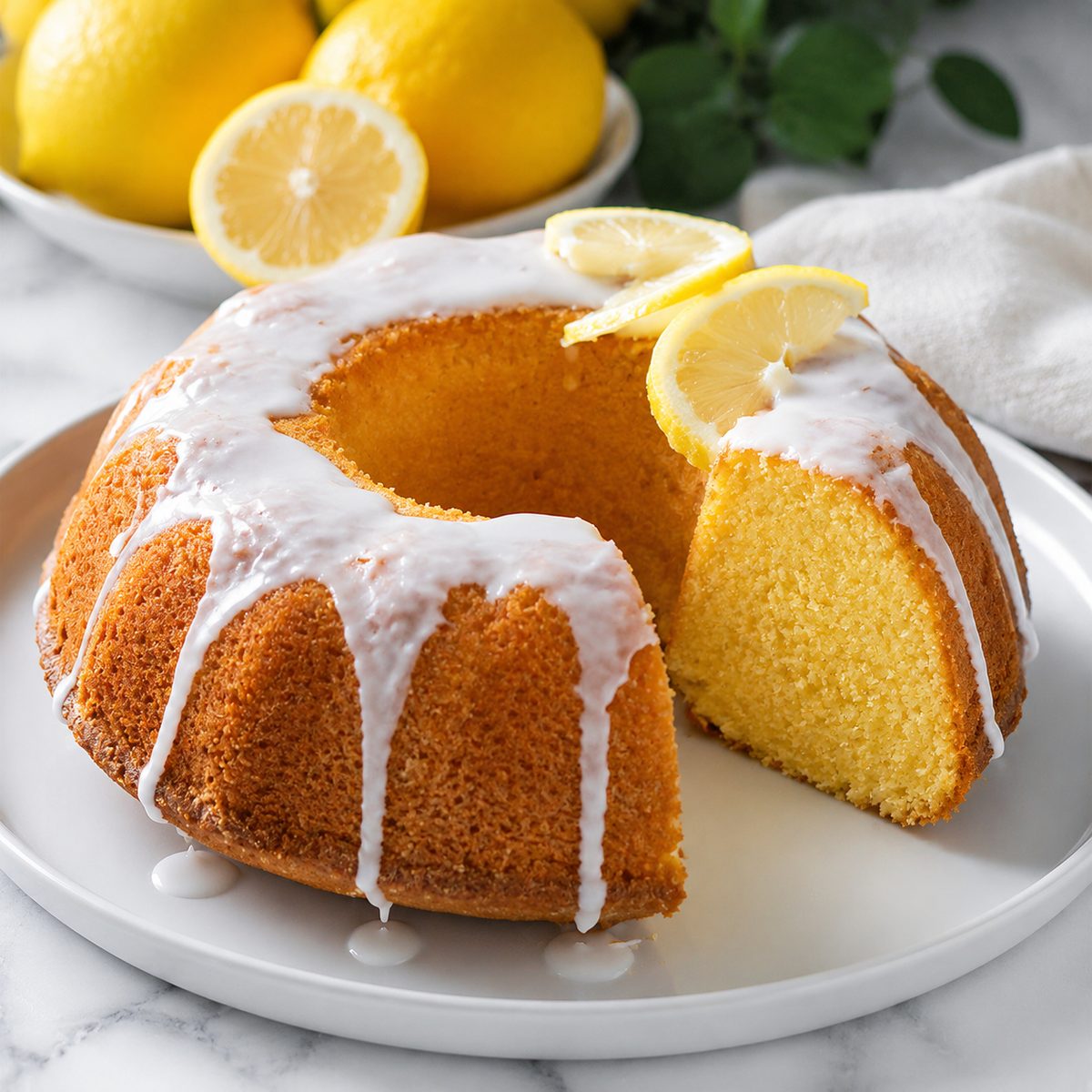
7UP pound cake

Somewhere in the 1950s, a clever Southern cook looked at the bottle of 7UP sweating on the counter and saw a raising agent. The soda-pop pound cake swept through church cookbooks and family reunions like gossip — every family had a version, and every version was guarded. It sounds like a gimmick until you taste it: a fine, tight, buttery crumb with a whisper of citrus, wearing a sharp lemon glaze.

Here's the wonder of it: there is no baking powder in this cake at all. The lift comes from two places — air beaten into the butter and sugar during a full five to seven minutes of creaming (don't shortchange it; it's the whole engine), and the gentle fizz of the lemon-lime soda folded in at the end. Cold ingredients won't hold that air, so have the butter and eggs properly at room temperature before you start.

Any lemon-lime soda works — 7UP, Sprite, or what UK cooks would simply call clear lemonade — as long as it's fizzy and full-sugar. Bake it low and slow in a bundt so the dense middle cooks through, glaze it while barely warm, and it keeps beautifully for days: proof that the space age and the pound cake were made for each other.

Ad · in-content (Raptive / Mediavine)

Old-Fashioned 7UP Pound Cake

Raised by nothing but creamed butter & a glass of lemon-lime fizz — the 1950s Southern icon.

Prep25 min
Bake1 hr 15
Total1 hr 40
Makes1 cake
4.9 / 5
12 servings

Ingredients

  • 340 g butter, softened
  • 500 g caster sugar
  • 5 large eggs, at room temperature
  • 375 g plain flour
  • 180 ml 7UP or other lemon-lime soda (clear lemonade), at room temperature
  • 2 tsp vanilla extract and the zest of 1 lemon
  • For the glaze: 150 g icing sugar and 2–3 tbsp lemon juice

Method

  1. Get set. Bring the butter and eggs to room temperature. Generously butter and flour a 2.5 litre (10-cup) bundt tin. Oven to 160°C (fan 140°C / gas 3).
  2. Cream long. Beat the butter and sugar a full 5–7 minutes, until almost white and mousse-like. With no baking powder, this beaten-in air is most of the rise.
  3. Eggs one by one. Beat in the eggs one at a time, then the vanilla and lemon zest.
  4. Flour, then fizz. Fold in the flour in three additions, alternating with the 7UP, beginning and ending with flour. Fold gently — the bubbles are working for you, don't knock them out.
  5. Bake low. Scrape into the tin and bake 70–80 minutes, until deep golden and a skewer comes out clean. Cool 15 minutes in the tin, then turn out onto a rack.
  6. Glaze. Whisk the icing sugar with enough lemon juice for a thick, pourable glaze and spoon it over the barely-warm cake so it sets in drips down the ridges.
Granny's tip

Use full-sugar soda, never diet — the sugar matters to the crumb, and the aspartame in diet soda turns bitter in the oven. A flat, opened bottle will not do either; the fizz is the point.

Tips for a fine, tight crumb

Cream it pale

Five to seven full minutes, until almost white. With no baking powder, the air you beat in is the engine of the cake.

Room temperature everything

Cold butter will not fluff and cold eggs split the batter — set everything out an hour ahead, soda included.

Low and slow

160°C for over an hour lets the dense middle set before the crust darkens. Trust the skewer, not the clock.

Questions, answered

Does it have to be 7UP?

No — any full-sugar lemon-lime soda works: 7UP, Sprite, or what UK shops sell simply as clear sparkling lemonade. What matters is real sugar and fresh fizz. Avoid diet versions, which bake up bitter, and flat leftover bottles, which give no lift.

Why is my 7UP cake dense and heavy?

Almost always under-creamed butter or cold ingredients. This cake has no baking powder, so the 5-to-7-minute creaming stage and room-temperature butter, eggs and soda are what raise it. Overmixing after the flour goes in will also knock the air back out.

Can I bake it in loaf tins instead of a bundt?

Yes — divide the batter between two 900 g (2 lb) loaf tins and bake at the same temperature for about 55 to 65 minutes. Don't force it all into one loaf tin; the middle will not cook through before the outside dries.

How long does it keep?

Beautifully — 4 to 5 days wrapped or under a cake dome at room temperature, and the crumb is arguably better on day two. It also freezes well for up to 3 months, whole or in slices; glaze after thawing if you can.

Ad · below-content